Expansion and optimization of the international trade terminal. Find the full report broadcast on May 26, 2026 by clicking on the link below. Designed...
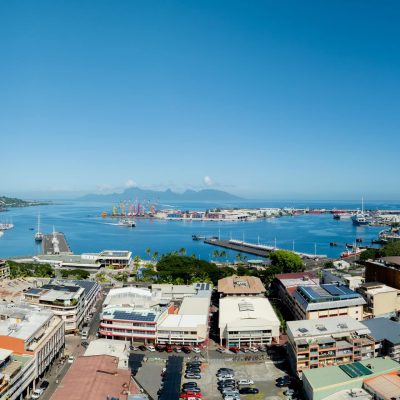
Read moreA true interface between Tahiti, its islands and the rest of the world, the Autonomous Port of Papeete constitutes a major link in maritime trade and the economic development of French Polynesia.
For more than sixty years, it has supported the international and inter-island flows essential to the continuity of activities, the opening of the territory and its influence.
As a public industrial and commercial establishment (EPIC), it ensures the management and preservation of the port area, adapting its missions and equipment to the evolution of maritime activities.
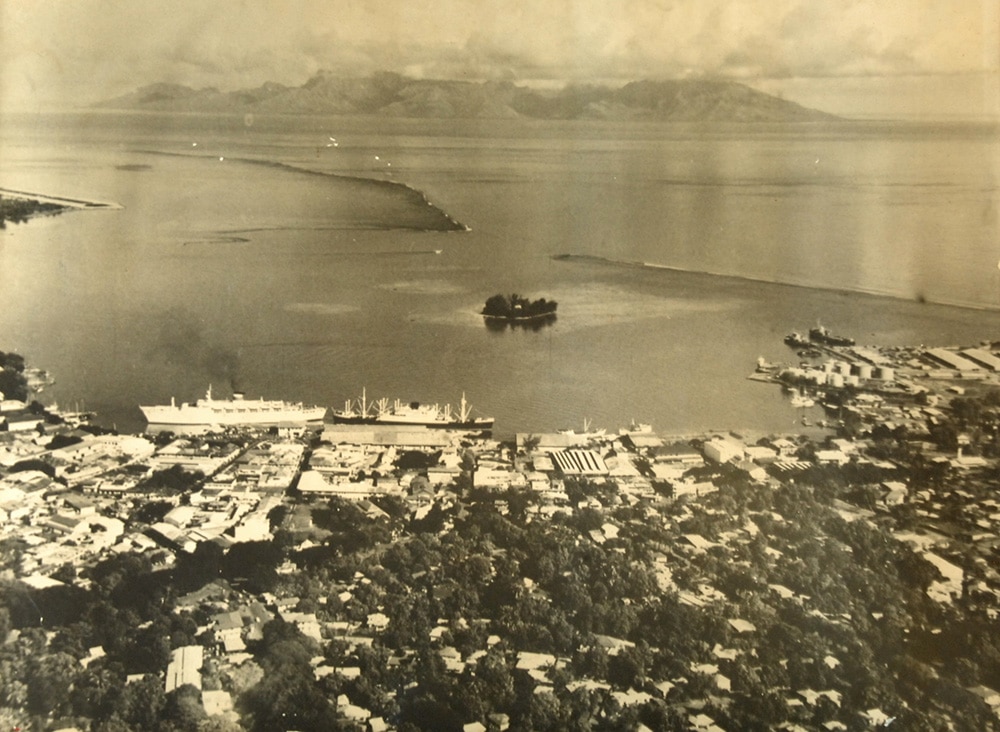
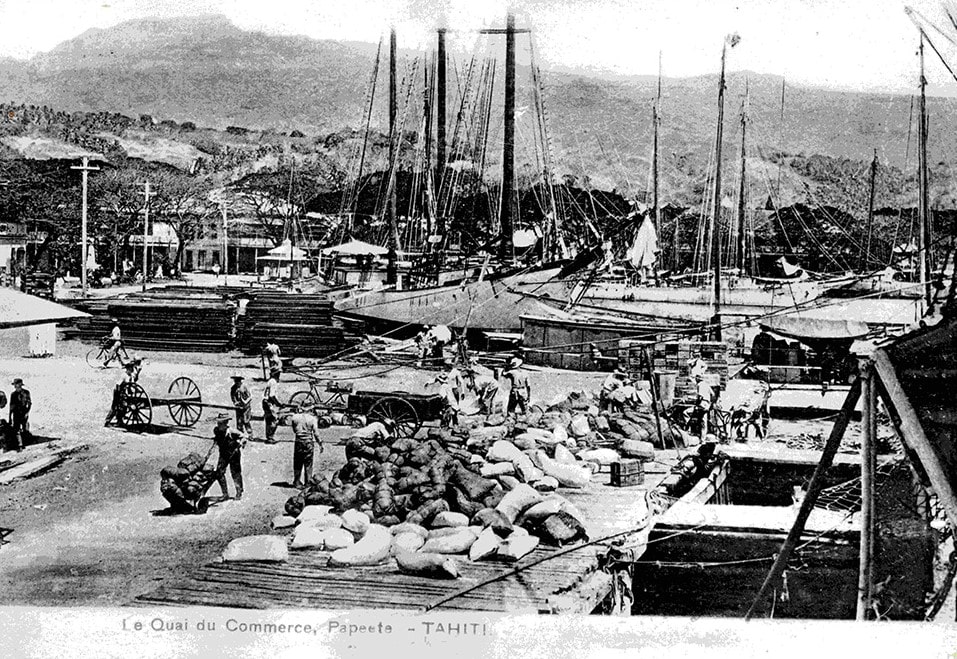
Long before the development of modern port infrastructure, the sea already constituted the main link between French Polynesia and the rest of the world. From the first contacts with European explorers, Tahiti established itself as a natural anchor point in the heart of the Pacific, offering shelter, a place of exchange and a gateway to an exceptional maritime territory.
Over the centuries, the development of maritime and commercial activities has gradually shaped the island's port needs. This dynamic led, in 1962, to the creation of the Autonomous Port of Papeete, a public establishment of an industrial and commercial nature, responsible for organizing, managing, and protecting the port area.
Since then, the port has accompanied the major economic, logistical and maritime developments of French Polynesia. It has developed in step with the growth of international trade, inter-island coastal shipping, fishing, recreational boating, passenger transport and, more recently, activities related to cruises, superyachting and specialized port services.
Deeply rooted in its territory yet resolutely outward-looking, the Port of Papeete has successfully adapted its missions, facilities, and operating methods to contemporary requirements, while adhering to safety, security, and environmental protection regulations. Today, it remains a key player in territorial continuity, economic development, and French Polynesia's maritime connectivity to the world.
Access real-time updates on our projects and be inspired by exceptional layouts designed to enhance your experience.
Expansion and optimization of the international trade terminal. Find the full report broadcast on May 26, 2026 by clicking on the link below. Designed...
Read more5 teams of employees take on the corporate triathlon challenge. The employees of the Autonomous Port Authority summoned their courage and committed themselves...
Read moreThe new international cruise terminal in Papeete: The Port Authority of Papeete takes a major step in its development with the inauguration on Sunday the 16th...
Read moreThe Port Authority of Papeete provides online services to facilitate access to information, documents, and procedures for port users. This system aims to improve the clarity of administrative processes, simplify communication, and support the preparation of port operations in a clear and secure manner.
The Port Authority of Papeete offers a comprehensive range of port services designed to support all maritime activities carried out within the port platform. These services are aimed at shipowners, economic operators, maritime transport professionals, and port users, with the objective of ensuring smooth, safe, and efficient operations.
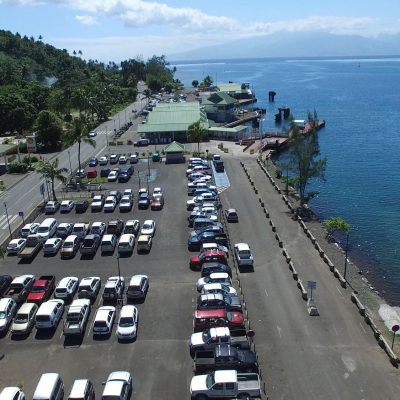
The Port Authority of Papeete provides users with several parking spaces distributed across its main sites, designed to meet the daily needs of professionals, travellers and visitors.
Whether it is short-term parking in the immediate vicinity of port infrastructure, a monthly subscription for professional activities, or a solution adapted to the specific flows of maritime and cruise terminals, each parking lot is organized to guarantee accessibility, security and clarity of use.
From TuMarama to the maritime station, from the international cruise terminal to the port of Moorea, these facilities are part of a comprehensive strategy to ensure smooth traffic flow and optimized access to port services. Pricing, opening hours, and capacity are tailored to the specific characteristics of each site to guarantee a consistent response to the varying rhythms of port activity.
You will find all the useful information by clicking on the interactive map below.
This service serves as the dedicated point of contact for managing access authorizations to the port area of the Autonomous Port of Papeete. It assists users, partners, and stakeholders with procedures related to obtaining, renewing, or updating access badges.
It contributes to the organization and securing of traffic within the different areas of the port, in compliance with safety rules and procedures in force.
The forms relating to access requests are being digitized.
In the meantime, you are invited to download the documents via the search bar in our space. «"E-Services"».
For any specific request or for any additional information, the access office – Badges can be contacted using the contact details provided at the bottom of the page in order to be directed to the procedures adapted to your needs.
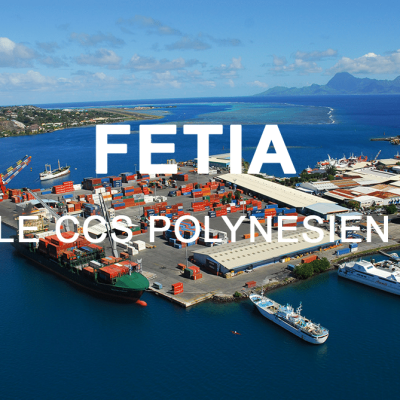
FETIA, an acronym for Facilitation of Exchanges and Processing of Administrative Information, is the digital platform of the Autonomous Port of Papeete dedicated to the digitization and security of port procedures. It serves as a central tool for users, institutional partners, and economic operators, simplifying access to processes and ensuring the reliability of information processing.
Designed as a unified digital portal, FETIA centralizes administrative formalities related to port activities, ensures data transmission between the various departments involved, and enhances the traceability of transactions. It is part of a continuous modernization strategy aimed at improving operational efficiency, the clarity of procedures, and the quality of service provided.
The Autonomous Port of Papeete provides users with a tariff guide that includes all fees, duties and financial conditions applicable to port activities and services.
This reference document specifies the applicable tariff framework, with a view to transparency, readability and equal treatment between users.
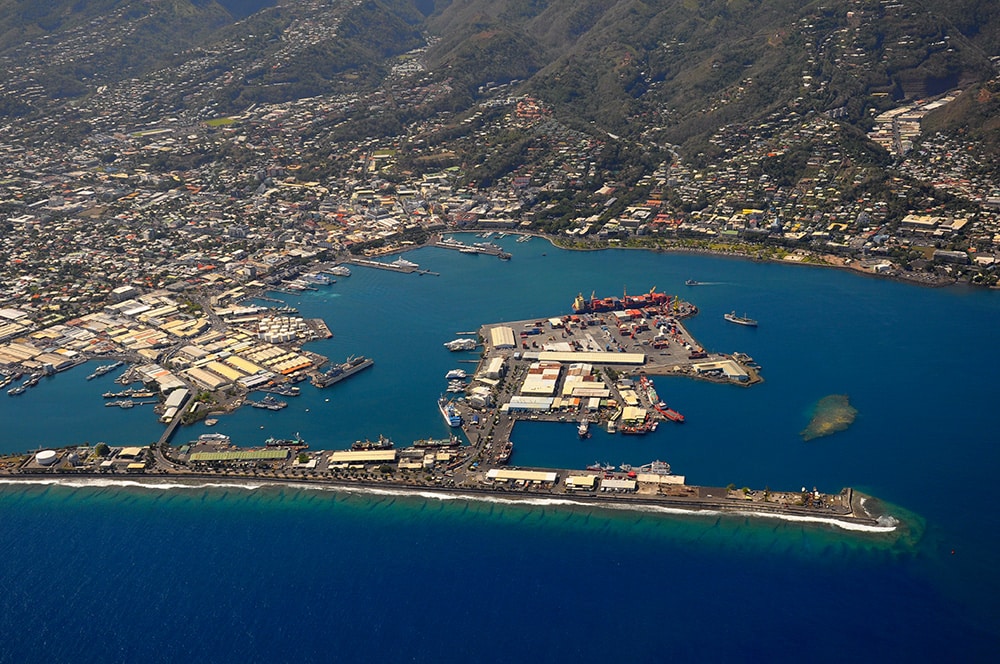
The Port of Papeete relies on a structured port area, encompassing all the land and sea spaces necessary for carrying out its missions. This area constitutes a key lever for the maritime, economic, and logistical organization of French Polynesia.
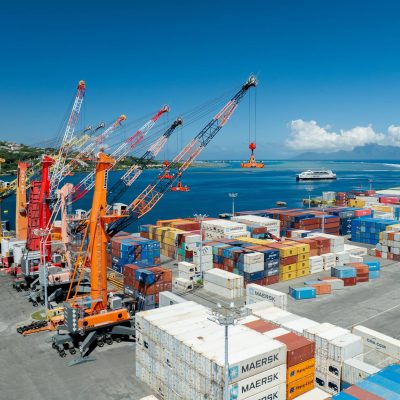
The port infrastructure includes facilities dedicated to international and inter-island trade, notably specialized quays for container traffic, coastal shipping, and supplying the islands. It also incorporates equipment related to the fishing port, contributing to the operation of its economic sectors and the territory's maritime activity, as well as specific areas for hydrocarbons and gas products, operated within a strengthened regulatory and security framework.
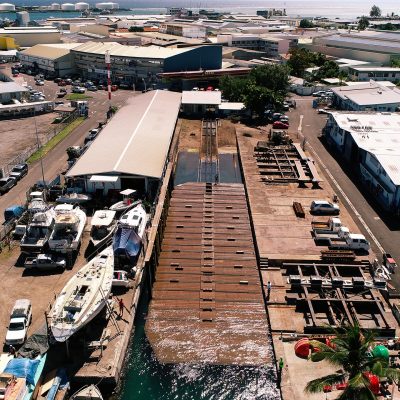
The slipway at the Port of Papeete is one of the major technical facilities ensuring the continuity and safety of maritime activity in French Polynesia. Commissioned in 1951, it has been an essential link in the maintenance of fleets operating within this island and archipelagic territory for over seven decades, where the availability of vessels directly affects the fluidity of trade and the quality of public maritime service.
Inter-island trade is a core mission of the Port of Papeete, serving the territorial continuity and economic balance of French Polynesia. As a central logistics hub, the port ensures the redistribution of goods to all the archipelagos, guaranteeing the regular supply of the islands and sustaining local economic activity.
The port infrastructure and operational systems implemented are adapted to the specific characteristics of inter-island maritime transport, marked by the diversity of destinations, volumes, and geographical constraints. The Port Authority of Papeete thus supports maritime operators in organizing these flows, ensuring the reliability of operations, the security of trade, and compliance with applicable regulations.
Beyond its logistical dimension, inter-island trade is part of a public service and solidarity framework between territories. By guaranteeing the continuity of trade between Tahiti and the archipelagos, the Port Authority of Papeete contributes directly to the cohesion of Polynesia, the stability of supply chains, and the harmonious development of all the islands.
A diversity of traffic serving the supply of the territory
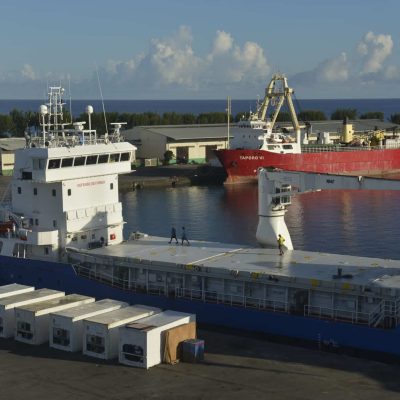
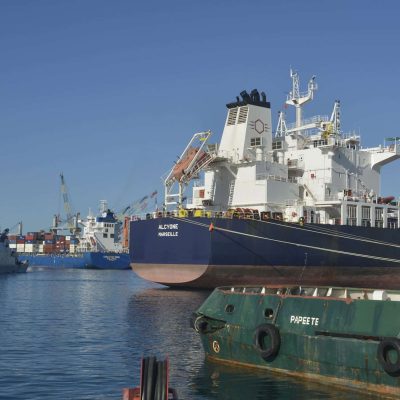
The Port of Papeete handles a wide range of international maritime traffic, reflecting the diverse supply and trade needs of French Polynesia. Container ships, cargo ships, oil tankers, gas carriers, and specialized vessels are processed within a structured operational framework tailored to the specific requirements of each type of traffic.
This organization relies on dedicated infrastructure, specialized equipment and close coordination between the various port stakeholders.
Through the complementarity of these flows, the port ensures the continuity of the territory's external trade, supports economic activity and guarantees the regular delivery of goods essential to the life of the country.
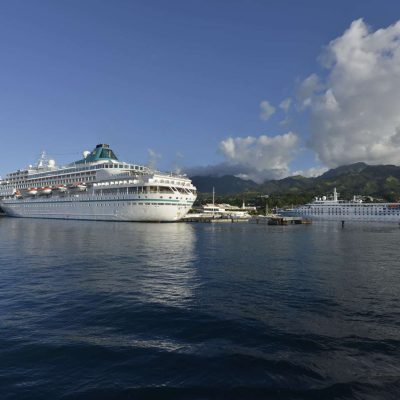
The cruise industry plays a vital role in the maritime landscape of French Polynesia, contributing to the territory's openness, the diversification of tourist flows, and the international renown of Tahiti and its archipelagos. The Port of Papeete serves as the primary hub for this activity, ensuring port call facilities tailored to the requirements of international cruise lines.
The port infrastructure and operational systems in place allow for the accommodation of cruise ships of various categories, in compliance with applicable safety, security, and environmental standards. The port ensures the smooth organization of arrival and departure operations, coordinated passenger management, and effective collaboration with the relevant authorities, transport services, and local economic stakeholders.
With this in mind, the port has recently acquired infrastructure dedicated to welcoming cruise passengers. This equipment aims to improve the quality of service and the flow of passenger journeys, while supporting the evolution of industry practices and the gradual adaptation to international standards.
Beyond its operational aspects, the cruise industry is part of a controlled development approach, carefully balancing tourist appeal, service quality, and ecosystem preservation. The Port Authority of Papeete supports the sector's growth through partnerships with cruise lines, institutions, and local authorities, ensuring the harmonious integration of cruise ship calls within the Polynesian territory.
The Port Authority of Papeete provides reception and operational support to vessels using the port facilities, in compliance with national and international maritime transport regulations. These services aim to guarantee the safety of port calls, the smooth flow of operations, and the continuity of port activities, within a controlled and structured framework.
The services offered cover all needs related to ship calls, from organizing port maneuvers and access to infrastructure to coordinating the technical, logistical, and administrative services necessary for smooth operations. They are based on formalized procedures, a clear operational structure, and close cooperation with port stakeholders, relevant authorities, and institutional partners.
In a spirit of continuous improvement, the Port Authority of Papeete is committed to strengthening its internal processes and evolving its practices in line with recognized European and international quality standards. This approach aims to offer shipowners and maritime operators a reliable, transparent, and efficient port environment that meets the contemporary requirements of maritime transport and the expectations of users.
Located in Punaauia, on the west coast of Tahiti, Marina Taina occupies a unique place in the Polynesian nautical landscape. It is more than just a mooring facility; it forms a complete complex, designed for sailing, accommodation, dockside amenities, and lagoon life. Accessible via the Taapuna Pass or the Faa'a–Punaauia channel from the port of Papeete, it enjoys a prime location on the island, combining maritime access, urban proximity, and a desirable lifestyle. Its capacity, whether berthed, on land, or in the dry dock, gives it a remarkable presence in the world of Tahitian yachting.
This scale gives it a strong identity. Simultaneously a large nautical base, a technical support hub, a promenade, and a marina popular for extended stays, it combines uses rarely found in Tahiti. Over time, the site has established itself as a true maritime hub, where recreational boaters, sailors, professionals, and coastal users mingle. Added to this is a strong environmental focus, demonstrated by a visible attention to the lagoon environment, with a "Blue Flag" certification obtained as early as 2012. Marina Taina thus appears as a complete, vibrant, and well-structured place, where the sea, services, and the daily life of a stopover are seamlessly integrated.
Located in the heart of the capital, Papeete Marina occupies a unique place in the Polynesian nautical landscape. It is more than just a mooring; it establishes a direct link between the sea, the city, and all the amenities that contribute to a successful port call. Its location on the waterfront, in close proximity to shops, government offices, service providers, and the vibrant atmosphere of Papeete, makes it deeply connected to the capital's dynamism. It accommodates vessels from 12 to 100 meters in length, within a secure and well-organized environment.
This location gives it a special role in the port organization of French Polynesia. For many sailors, it is the first point of entry, the place for resupply, preparation, and coordination. The ideal base before continuing on to other islands.
Between urban life, port logistics and yachting, it asserts a unique identity: that of a central, practical reception point fully integrated into the maritime influence of Papeete.
Located in the lagoon of Tahiti's sister island, the Vaiare marina occupies a unique place within the Polynesian port network. It is not distinguished by the spectacular scale of its infrastructure, but by another quality: that of a welcoming, peaceful haven, seamlessly integrated into Moorea's lagoon setting. Accessible via the Vaiare pass, it offers a tranquil stopover in harmony with the island's rhythm and gentle environment.
With its three pontoons and capacity for 120 sailboats or pleasure craft up to 12 meters, it offers organized, clear, and practical mooring for boaters. The essential services provided meet the practical needs of a stay at the dock, while maintaining a more intimate atmosphere than that of Tahiti's larger marinas. It is an ideally located marina, perfectly in keeping with the spirit of Moorea.
The Uturoa marina is an important anchor point in the port and nautical landscape of the Leeward Islands. Directly connected to the Uturoa waterfront, to the city's services and to the island's maritime activity, and directly involved in local life, the marina is part of a structured port environment and fully integrated into the life of the island of Raiatea.
In addition to the marina, the area under the supervision of the Autonomous Port covers nearly 72,000 m² of embankments and water bodies, also including the large Hawaiki Nui square and the fishermen's dock.
With over 190 berths, this important port facility, equipped with water, electricity, restrooms, fuel, and immediate proximity to the shops, services, and amenities of Uturoa town center, caters to a variety of needs. This proximity facilitates supplies, simplifies procedures, and makes the stopover more comfortable.
Stopovers, extended stays, onboard organization, provisioning, preparation for subsequent voyages make this pleasure site a base of presence, stay and use, fully integrated into the maritime life of Raiatea and its influence towards the Leeward Islands.
Apooiti Marina occupies a unique place in Raiatea's nautical landscape. It's not defined solely by its pontoons, moorings, or dockside services. Above all, it functions as a central hub where access, embarkation, chartering, and onboard living converge, all within a cohesive framework. Located in the north of the island, east of Uturoa's town center and just one kilometer from the airport, it boasts a particularly favorable configuration for sailors, crews, and travelers who wish to quickly reach their boats or organize a sea excursion in optimal conditions. Access via the Miri-Miri, Teavapiti, and Paipai passes further enhances its accessibility.
This location gives it a very distinctive identity. Apooiti is neither an urban marina in the sense of Papeete, nor a large residential marina like Taina. Rather, it stands out as a hub for maritime activities in Raiatea, where charters, sailing, diving, practical services, and cruise ship embarkations converge. The location is both sheltered from prevailing winds, well-connected to amenities, and bustling with a genuine diversity of maritime uses. This combination is its strength: a marina less ostentatious than some others, but particularly coherent, efficient, and well-suited to the realities of sailing in the Leeward Islands.
Recognized by yachting professionals worldwide, the "Tahiti and its islands" destination is a dream for many. The superyacht sector is a significant source of revenue for the country's economy, hence the desire of the Port Authority of Papeete to develop luxury yachting in French Polynesia.